
A Structural Shift In Warehouse Strategy

Why Warehouse Modernisation & Upgrades Are Outpacing New Builds In 2026

For decades, logistics has been a booming industry, driven by growing global consumer spending. But when warehouse performance begins to stagnate, many people's first thought is that they need more storage space: acquire land, construct a larger facility and scale operations outward.

In 2026, this model is changing rapidly…

Across Europe, warehouse operators are facing a convergence of pressures: rising construction costs, land scarcity, sustainability requirements, labour constraints, and complex planning. At the same time, volatile demand requires facilities that can quickly adapt without disrupting operations.

As a result, a growing number of businesses are discovering that the most effective path to increase capacity and productivity is not through expansion but through modernisation and retrofitting with strategic upgrades. Rather than building new, businesses are now focused on unlocking untapped potential within their existing footprint.

For many businesses, this approach delivers four critical advantages:

  1. Lower capital investment.
  2. Faster implementation timelines.
  3. Minimal operational disruption.
  4. Greater long-term scalability.

This shift marks a structural change in warehouse strategy. Success is no longer determined by how much space you have but by how intelligently you use it.

Why New Construction Is No Longer The Default Solution

Building a new warehouse was once considered the most straightforward path to growth. Today, it is increasingly complex and uncertain. Construction costs across Europe have risen significantly in recent years due to material price inflation and labour shortages. New developments also face longer approval timelines, particularly where land use, environmental impact and infrastructure capacity are under scrutiny.
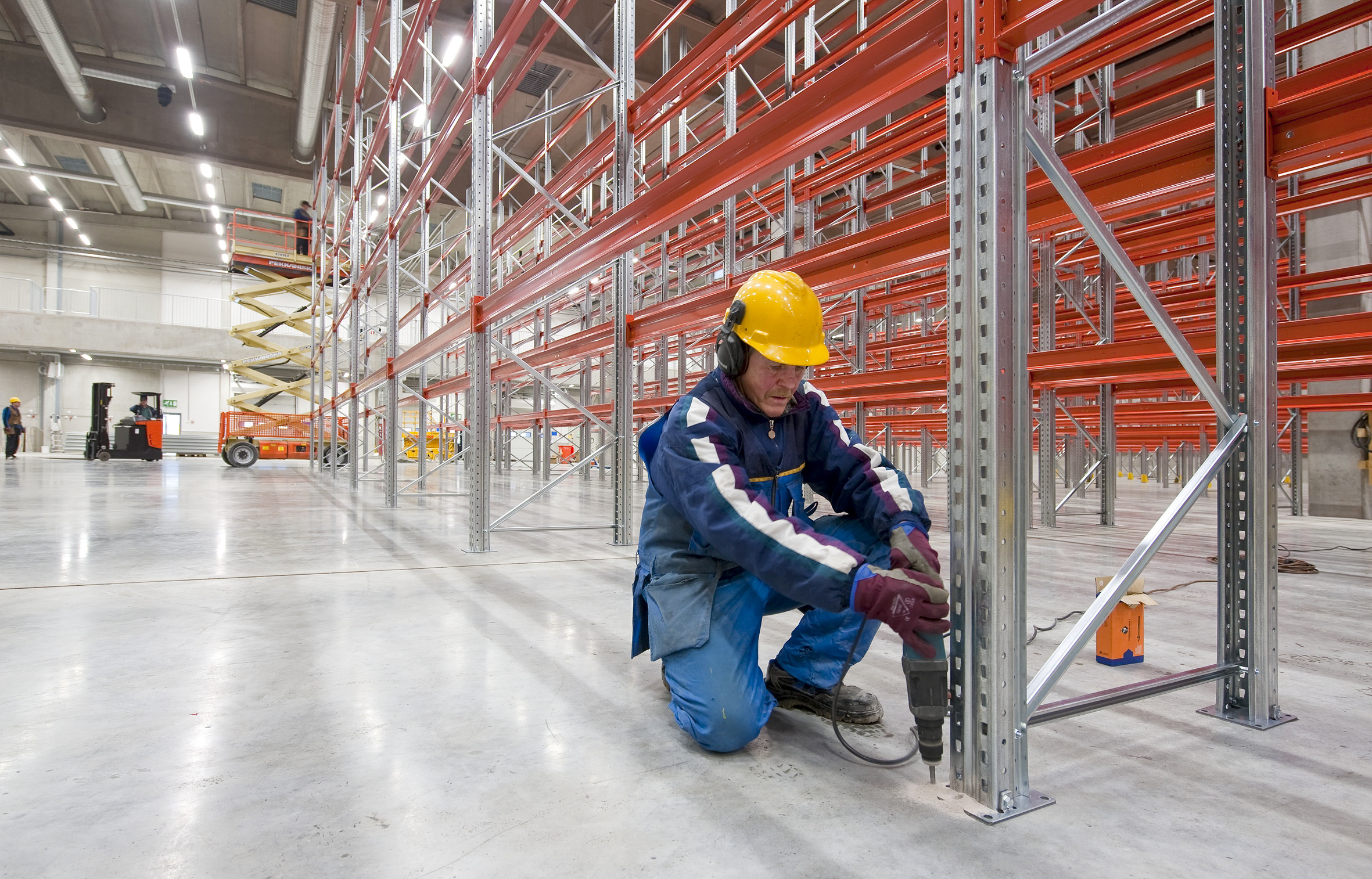
Warehouse racking construction site

Besides cost and planning risks, new builds present operational challenges. Facilities often take years to design, approve, construct, and commission, which delays when performance improvements can be realised. In contrast, modernisation enables businesses to unlock hidden capacity within their existing footprint much more quickly and at a considerably lower risk. Warehouse modernisation improves your facility's efficiency, safety, and flexibility through physical updates, new technology, and smarter workflows. It involves reconfiguring storage for better use of vertical space, replacing racking with denser options, redesigning traffic flow for safety, adding automation, and upgrading lighting and digital infrastructure. Essentially, it makes your warehouse perform like new without expensive construction.

Why Modernising Your Warehouse Makes Economic Sense In 2026

The financial case for modernisation has strengthened significantly in recent years.

Industry research shows that:

  • New warehouse construction costs have risen by more than 25% across Europe since 2020, driven by material inflation and labour shortages.
  • Industry studies from JLL and Deloitte indicate that retrofit projects typically require 40-70% less capital investment than new builds.
  • By using pull-out units, existing warehouse space can be utilized more efficiently, with improved accessibility, higher picking rates, and better ergonomics – without rebuilding or constructing new facilities.

Crucially, modernisation also reduces operational disruption. While new builds can take several years from planning approval to commissioning, retrofit projects are often implemented in phases, allowing warehouses to remain operational throughout. This combination of lower investment, faster timelines and measurable performance gains makes warehouse upgrades an increasingly attractive strategic choice.

How to Spot When Your Warehouse Needs Modernisation
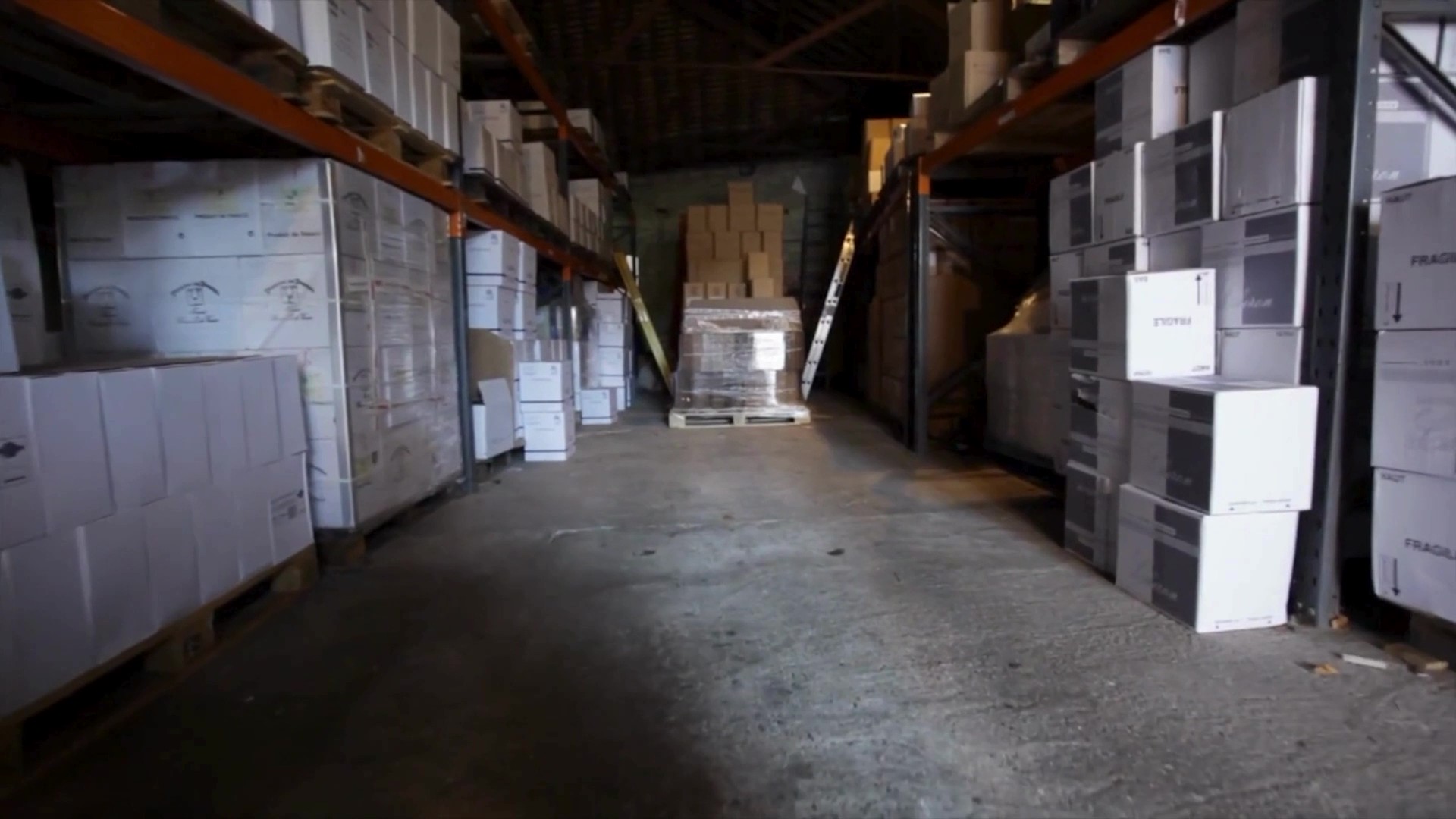
Old warehouse building with outdated systems

Most warehouses do not require a complete rebuild or relocation. Instead, performance challenges often emerge gradually as operations evolve.

Common indicators include:

  • Persistent bottlenecks in picking or replenishment.
  • Significant areas of underutilised vertical space.
  • Increasing reliance on temporary labour during peak periods.
  • Frequent safety incidents or near misses.
  • Declining fulfilment speed or accuracy.

A Decision Framework: Modernise or Build New

When Modernisation Is Best

  • Limited land or planning constraints
  • Fast implementation needed; operations must continue
  • Asset reuse supports sustainability; 20–50% capacity increase is enough
Choose this path when improving the existing site meets operational goals.

When to Build New

  • Growth requires more than double capacity
  • Structural limits prevent expansion within the existing space
  • Location or workflows no longer support operations
Select new construction when long‑term needs exceed current site potential.

In many cases, modernisation offers a faster, more cost-effective path to performance improvement while preserving long-term flexibility.

Sustainability: Beyond Energy Efficiency

Sustainability is another key factor driving the move towards modernisation. Building a new warehouse generates significant carbon emissions from materials, site preparation, and infrastructure development. In contrast, retrofitting extends the lifespan of existing assets, greatly reducing environmental impact. The UK Green Building Council reports that reuse and refurbishment of industrial buildings can decrease lifecycle emissions by up to 50% compared with new construction.  

Modernisation also promotes operational sustainability through shorter travel routes and reduced forklift energy consumption; lowered power demand thanks to upgraded lighting and more efficient energy systems, such as solar panels; improved inventory accuracy, which minimises waste and returns.

For organisations operating within ESG-driven supply chains, these improvements increasingly influence procurement decisions and regulatory compliance.

Site planningThe Growing Importance of Land Use and Planning Realities

A less frequently discussed but important factor is the changing planning landscape. Across many regions, the development of new warehouse sites (particularly those on greenfield land) is increasingly scrutinised by local communities and authorities. Concerns often focus on land use, visual impact, infrastructure strain and traffic volumes from heavy goods vehicles. These dynamics can significantly extend planning timelines, introducing uncertainty into expansion strategies.

Modernising an existing warehouse facility helps avoid many of these challenges by increasing capacity within established industrial areas, where infrastructure and logistics networks are already in place.

The Power of Phased Upgrades

One of the most compelling advantages of modernisation is its scalability.

Phased warehouse handover to allow for operations to begin quickly

Rather than committing to a single large capital project, warehouse upgrades can be implemented incrementally. Organisations may begin with layout optimisation, followed by selective automation or safety improvements.

This phased approach enables businesses to:

  1. Validate return on investment.
  2. Adapt to changing demand patterns.
  3. Spread capital expenditure over time.
  4. Maintain operational continuity.

As supply chains become increasingly volatile, this flexibility is becoming a decisive strategic advantage.

Related news
  • 16779
    3/3/2026

    LogiMAT 2026

    Our trade fair presentation will focus on the topic: ‘Retrofit. Update for your warehouse.’ From 24 to 26 March 2026, we will be there for you in Hall 3 at Stand 3C35. We will show you how existing warehouses can be technologically upgraded step by step to make them efficient and future-proof. New impetus for your warehouse.
  • 16623
    1/29/2026

    Gonvarri Material Handling Invests €20 Million in German Future Hub for Intralog…

    As European businesses continue to adapt to evolving supply chain requirements, warehouse storage infrastructure must keep pace. A new €20 million investment in advanced manufacturing facilities aims to address persistent challenges around lead times, product availability, and sustainable production methods.
Latest news
  • 16860
    4/17/2026 12:00:00 AM

    Why Warehouse Modernisation & Upgrades Are Outpacing New Builds In 2026

    Discover the advantages of warehouse modernisation versus building new, in a world where demand for storage and logistics continually shifts and keeping up can be a challenging task. Retrofitting in 2026 is a proven approach for reducing capital expenditure on new investments while maintaining supply chain optimisation.
  • 16779
    3/3/2026 12:00:00 AM

    LogiMAT 2026

    Our trade fair presentation will focus on the topic: ‘Retrofit. Update for your warehouse.’ From 24 to 26 March 2026, we will be there for you in Hall 3 at Stand 3C35. We will show you how existing warehouses can be technologically upgraded step by step to make them efficient and future-proof. New impetus for your warehouse.
  • 16623
    1/29/2026 12:00:00 AM

    Gonvarri Material Handling Invests €20 Million in German Future Hub for Intralog…

    As European businesses continue to adapt to evolving supply chain requirements, warehouse storage infrastructure must keep pace. A new €20 million investment in advanced manufacturing facilities aims to address persistent challenges around lead times, product availability, and sustainable production methods.